 Cookie Consent
NTC Course
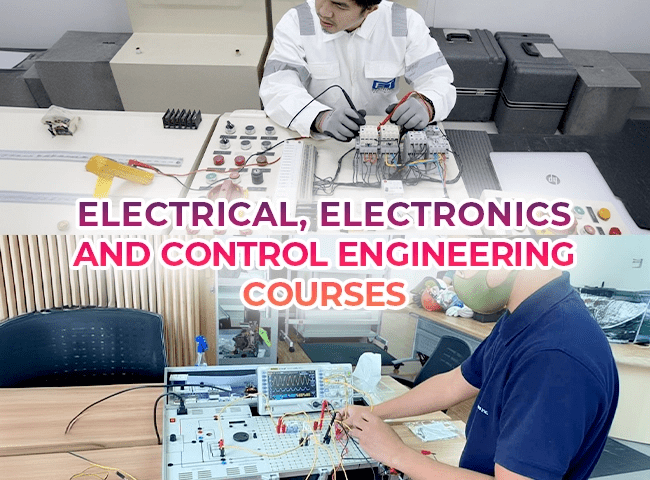
Electrical Troubleshooting Methodology
Electrical Troubleshooting Methodology
This course is intended for Marine Engineers, Electro Technical Officers and Electro Technical Ratings, including those aspiring for promotion to said positions. It covers essential aspects of Troubleshooting Electrical, Electronics, and Control Engineering fundamentals including safety, and it is tailored to take full advantage of the practical aspects of the works carried out on board.
The core of instructions gives emphasis on electrical safety and the core of the topics focuses on the actual onboard cases showcasing the logical observation of the problem, fault finding/ troubleshooting leading to rectification of all Electrical, Electronics and Control and Automation System/machineries onboard.
Further, the course takes part of the essential competence prescribed by Section AIII/1; Table A-III/1 of the STCW Code, as emended, in relation to function: Electrical, Electronic and Control Engineering at the Operational Level.
COURSE AIMS & OBJECTIVES:
The course aims to provide practical knowledge and
understanding of the principles of electrical, electronic, and control systems and its
processes and consequently develop essential skills and ability to perform maintenance,
fault-finding and troubleshooting procedures to ensure safe and efficient operating condition
of ship’s electrical, electronic, and control and automation systems onboard.
COVERAGE / PROGRAM FOCUS:
The course practically deals with the following training
areas:
Module 1
1.1. Safety requirement for working on Shipboard Electrical Equipment
1.2. Electrical Test Instruments
1.3. Main Switchboard, Emergency Switchboard and Distribution Panels
1.4. Transformers and Electric Motor Configuration
1.5. Electronics (Diode, Transistor and Capacitor Testing)
1.6. Process Control (Sensor and Transmitter Calibration and Testing)
Module 2
2.1 Reading and Interpretation of Electrical and Electronic Drawings
2.2 Reading and Interpretation of P and ID
2.3 Troubleshooting and Fault -Finding Techniques/Procedure
Module 3
3.1 Case Studies of Actual Onboard Cases
Related Course(s)


Featured Course(s)
-
 Fixed Hydraulic Ship Crane Operators Course
Crane Simulator Courses
0 hr 0 min
-
 Safety Representative and Working Environment Committee (NMA-accredited)
Maritime Safety and Security Courses
0 hr 0 min
-
 Engine-Room Management Simulator Course (For Operational Level Engine Officers)
Engine Room Simulator Courses
0 hr 0 min